
By now, we all know someone – friend, family, or coworker – who has been the victim of some type of phishing scheme. Scams, unfortunately, keep evolving right along with technology, and it’s getting harder to know what is or isn’t legit. Artificial intelligence is only heightening the detection skills needed to avoid being snared, because language learning models can emulate official communication and make it harder to detect fraud.
Small business owners are often targeted by scammers because they handle money, invoices, payroll, and customer data. You might receive fake bills, phishing emails, and texts that appear to come from banks, and more predatory tactics that use digital channels to steal money or access data. All About Businesses has witnessed how painful it can be to recover from a scam, but with diligence and a healthy dose of skepticism, you can avoid getting swindled or hacked!
Protect Your Data, Your Business, and Your Money!
1. Check Your Accounts Regularly
By regularly monitoring your bank and credit card activity, you’ll catch strange transactions and be able to take care of it quickly. Whether it’s a fraudulent purchase or an overcharge, spotting issues early will make it easier to resolve. Consider downloading your bank’s app, where you can set transaction notifications and view account information quickly.
2. Be Cautious with Calls, Emails, and Texts
If someone contacts you unexpectedly and asks for money or personal information, that’s a red flag. Scammers will often impersonate banks, government agencies, tech support, and even mail services to rope you in. Only make payments or complete purchases on websites that are familiar to you and make sure you aren’t visiting webpages that only mimic a brand or organization. If you shop with someone new, look for reviews and payment policies before giving them any money. Scams are now using AI to masquerade more effectively, generating voices, documents, and messages that are surprisingly convincing.
3. Don’t Click on Suspicious Links
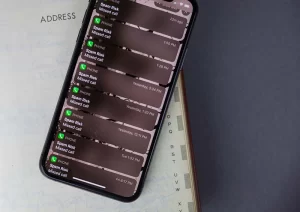
Phishing scams aren’t just through email anymore – text messages reminding you to pay a balance or meet a submission deadline are just as dangerous as those risky emails, perhaps even more so. Fraudsters may use these channels to access employee information, steal passwords, or get you to pay for things you never signed up for. There are so many FTC regulations on email that you can spot a fake or phishing campaign if you know where to look, but texts are harder to evaluate. Before you click on any links from text messages, make sure they lead to legitimate sources.
4. Use Strong Passwords and Security Tools
Unique passwords and two-factor authentication make it harder for scammers to access your accounts. Switch up passwords between websites and update them every couple of years. Using the same passwords for all your accounts can be dangerous, because they only need it to work once to have access to everything. Apps such as LastPass and Dashlane are proven to be safe and dependable sites for password storage.
5. Trust Your Instincts
Anytime something feels rushed, threatening, or suspicious, it probably is. Many scammers will include a sense of urgency, such as “final notice” or “balance due.” Since taxes are among the most common areas scammers exploit, it’s important to remember that the IRS will not contact you by text or email to resolve an issue with your filing. Always call the institution directly to verify the information, or contact your business accountant, before following any links in text or email. When in doubt – trust your own instincts!
Why Scams Spike After Filing Deadlines
This tax season, many taxpayers received legitimate IRS notifications via text about refund processing issues, giving scammers a golden opportunity to lure them into remitting payments or submitting bank account information. Tax season is primed for fraudsters who often pose as the IRS, banks, or tax professionals, but financial scams don’t disappear after Tax Day. You could receive messages that say, “your refund is suspended” or “click here to verify,” which leads either to a link that will infect your device or to a page that requires you to submit personal and financial information that could be used to steal your identity. Scammers thrive on panic, distraction, and trust to enact their schemes; if you work with a verified accountant to complete your tax prep or bookkeeping services, they’ll help you evaluate any communications that come through and avoid scams.
Beware of “Tax Hacks”
There’s a wealth of misleading advice surrounding tax preparation and filing on the internet. You should always be wary of anything that suggests ways to get more money out of your return, or platforms that promise larger refunds. These are not shortcuts you want to take as a business owner, so we recommend working with a professional accountant to complete your quarterly or annual taxes. Trust your personal or business accountant to find the right tax breaks for you and get the most out of your filing.
Get Support When You Need It
Protecting yourself (and your business) from scammers requires you to slow down, verify communications independently, and treat urgent messages with some skepticism. A few extra minutes of caution and investigation can save months of stress and financial damage. If you need help with managing payroll safely, reconciling accounts, or keeping safe from common scams, All About Businesses is here to help you succeed. We offer bookkeeping and accounting services for PNW businesses, both for tax season and year-round, helping you stay organized and keep track of all your important documents! Contact us to get started with the professional services you need!